
So you’ve decide to take a GLP-1 med to lose weight. Great!
Now What?!
Examples of GLP-1 medications
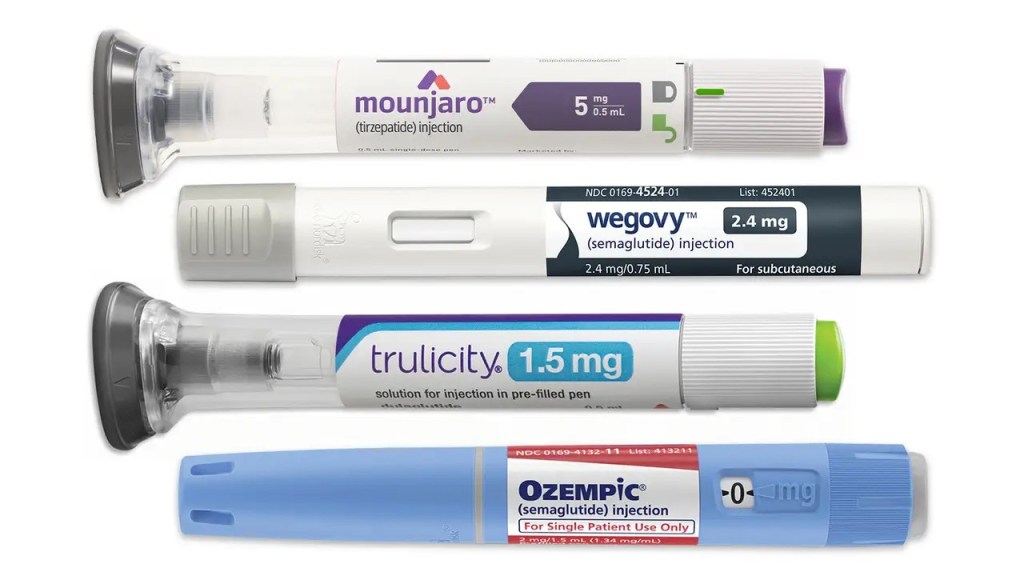
If you’re like me when I was first prescribed the medication, you’re uncertain about what you’ve gotten yourself into. Sure, you know the medication will help you lose weight, and that’s great and everything, but just what does that look like in action? Everything you read online talks about eating a balanced diet and warns you about fatty foods and nausea. Which isn’t all that helpful, except maybe to make you think twice about eating cheese or something else with a high fat content. The bigger concern is what is your day-to-day is going to look like? How will the GLP-1 med you’re taking change your life?
If you’ve dieted before, you’re familiar with recording what you eat and counting calories, and that plays a part in what you’ll do every day. But what I learned is that everything looks a little bit different through a GLP-1 lens.
For me, to have both successful and healthy weight loss, I found I needed to put some basic building blocks in place. After taking the medication for six months, these are my essential elements for success:
- Meal Planning
- Food Tracking
- Exercise
- Medical Support
Below, I’ll discuss each, explain their importance, share my experience with them, and explain why you’ll want to implement them, too.
In hindsight, when I gave myself my first injection of Zepbound, I was less prepared to start my weight loss journey than I thought. I had lost 60 lbs. the old-fashioned way, so I was sure I had the basics covered. I already had in place:
- A meal plan
- A food tracking/calorie counting system
- A daily exercise routine
It seemed as if I were well prepared, right? What I learned was that each needed to be adjusted to meet the challenges the GLP-1 medication presented.
The last element, medical support, I questioned whether I needed it, given that I had already lost a significant amount of weight with no problems. However, my primary care physician suggested I make an appointment to see a weight loss specialist just in case my weight loss plateaued in the future. And since establishing a relationship would take time, I was encouraged to reach out sooner rather than later. I was lucky. I saw someone within 3 months of starting the medication, and they referred me to a nutritionist. Between the two, they have been guiding me through my weight loss journey ever since.
Meal Planning
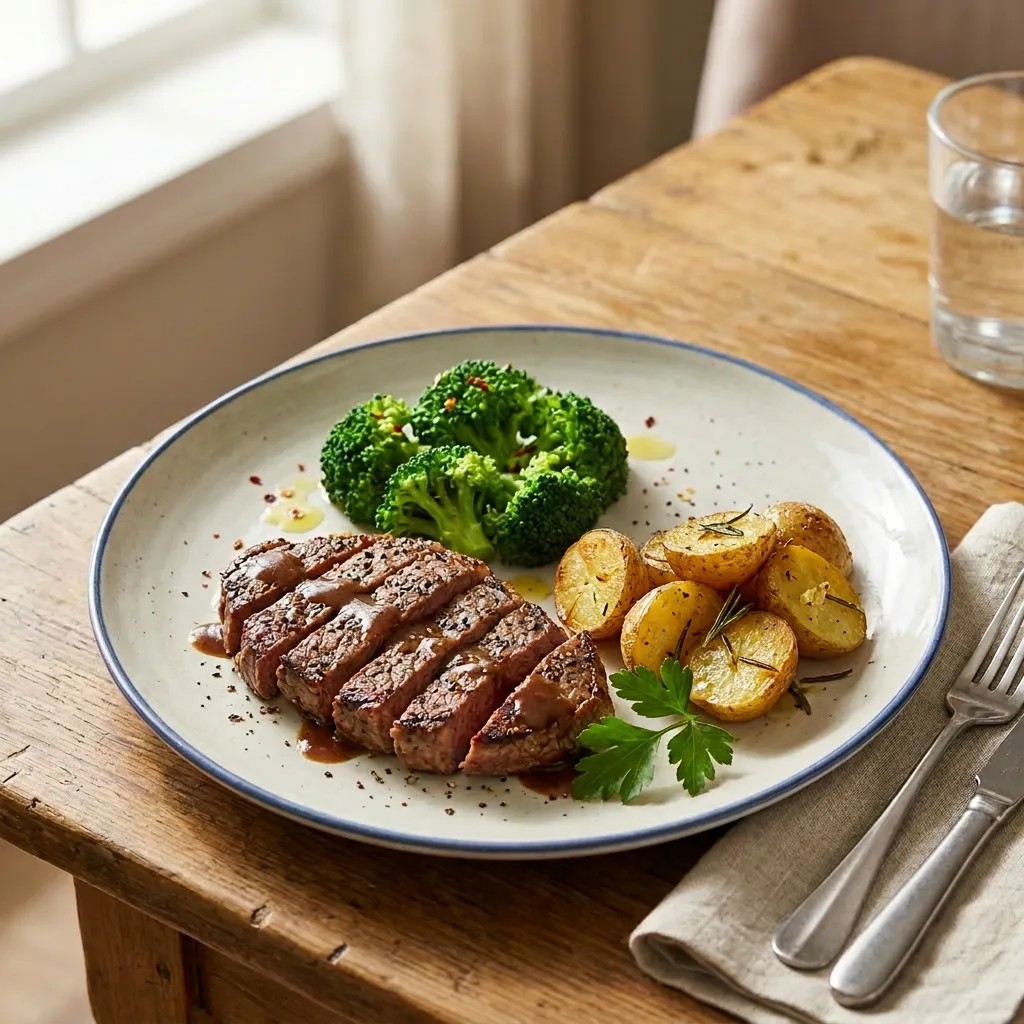
When I started, I followed the meal plan I had worked out over the past few years. However, I hadn’t accounted for how much the GLP-1 med would shrink my appetite. I found I needed to eat less, but include more protein.
A protein dense meal with smaller side dishes. Perfect for a shrinking appetite.
If you haven’t picked up somewhere along the way, protein is a big deal if you’re taking weight loss medication. A drawback of rapid weight loss is muscle loss, which can affect metabolism, strength, and mobility. By increasing the amount of protein in your diet, you can counter this. Paired with other foods, protein supports stable energy and long-term satisfaction. Not eating enough protein can also impact the medication’s side effects, like nausea, loss of muscle tone, and hair loss. Something I think we can all agree you want to avoid!
The Takeaway? Eat enough protein.
Ok…But how much is enough?
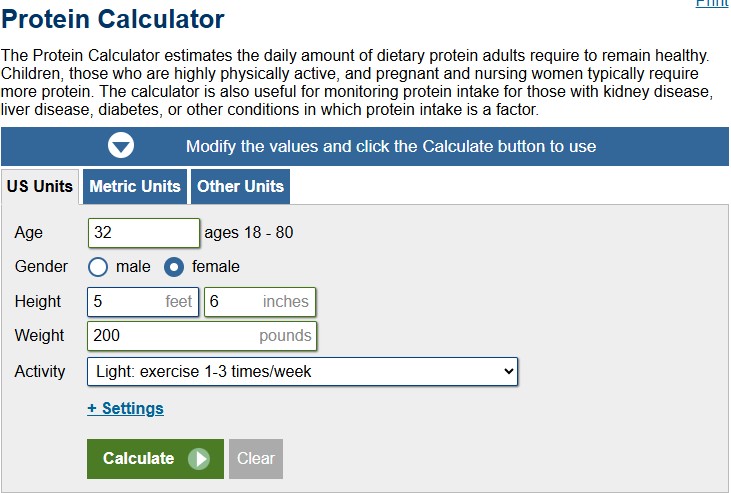
Protein needs vary and are based on your current weight and activity level. Here’s a protein calculator to determine your daily protein needs. Unfortunately, you’ll find there’s a significant spread in the answers you receive. Which is why seeing a nutritionist is advised, as they can give a more concrete answer.
In my case, I aimed for 100 grams of protein a day, which seemed reasonable as that was approximately what I had been consuming on my previous diet plan. But, according to the nutritionist I eventually got around to seeing, I needed to aim for 150 grams. Which was a daunting endeavor. I became a little obsessed with adding protein to my diet.
The Catch?
Adding so much protein to my diet meant I needed to make sacrifices in other areas. It was the only way I could also stay within my calorie count. I also found that while taking a GLP-1 medication, I simply couldn’t eat everything necessary to meet my nutritional needs.
Solution?
My nutritionist recommended I:
- Spread calories out over 3 meals and 2 snacks.
- Add more protein to each meal.
- Limit fruit, vegetable, and grain consumption.
- Take a daily multivitamin.
Multivitamin to supplement diet.
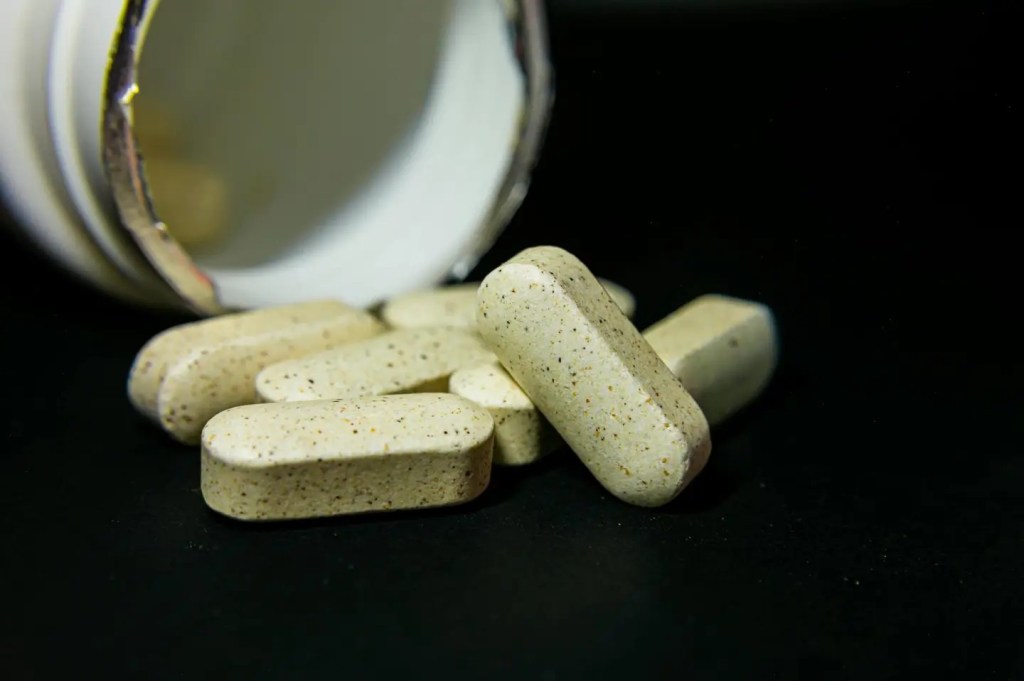
These steps allowed me to meet my new protein requirements while also addressing nutritional deficiencies that occurred when I cut so many essential foods from my diet.
How did I increase my protein intake?
I added
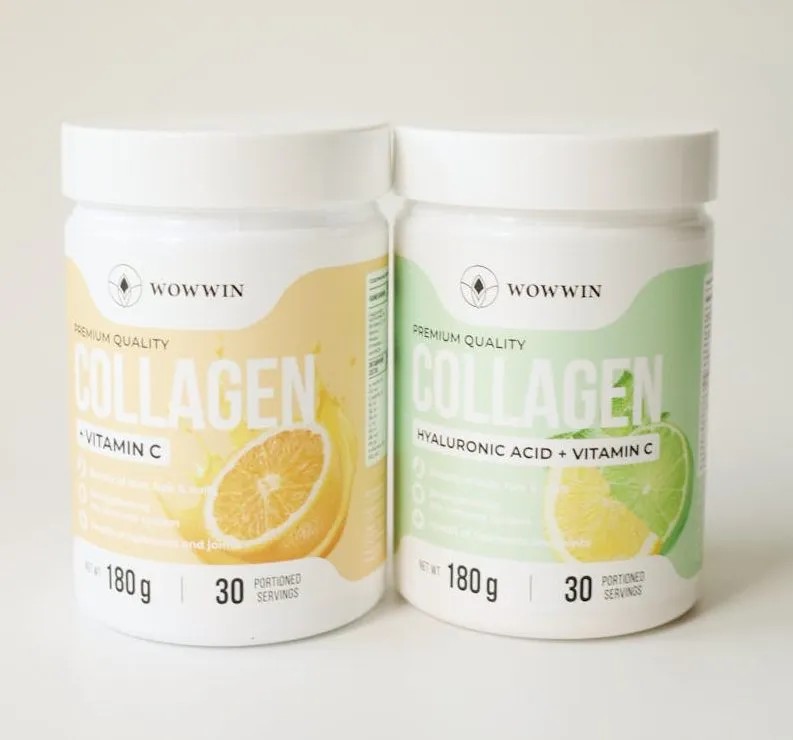
- Collagen to drinks
- Protein powder to fruit shakes
- A super seed mixture to foods
Collagen to add protein to drinks
I added snacks, such as
- Bone broth
- Cottage cheese
- Eggs
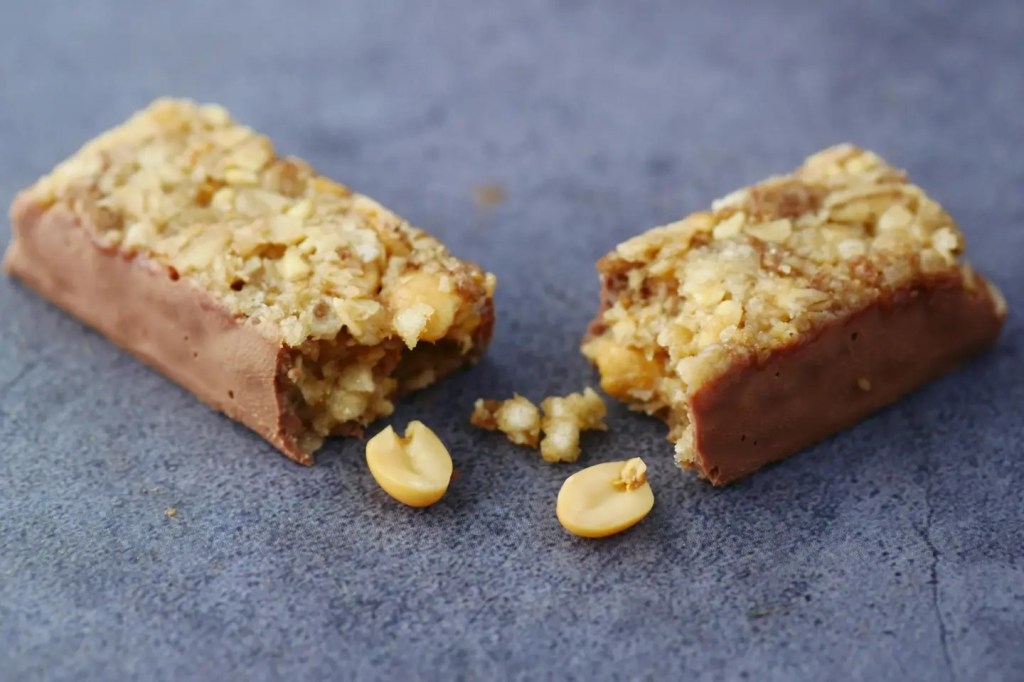
- Powdered peanut butter
- Protein bars
- Protein drinks
Protein bar as a snack
The key here was planning. It took effort to figure out which snacks meshed with the meals I planned and yet still stay within my daily calorie count. And that’s what you’ll need to do: take an in-depth look at what you’re eating and determine if combined they get you where you need to be.
In order to do this, I became familiar with the amount of protein and the calorie count of my food choices. In the process, I stuck to tried-and-true combinations, which some might find boring, but it allowed me to meet my daily goals. It took experimenting with food options, both combinations and finding out which I enjoyed eating, but in the end, I have a workable diet plan.
Food Tracking
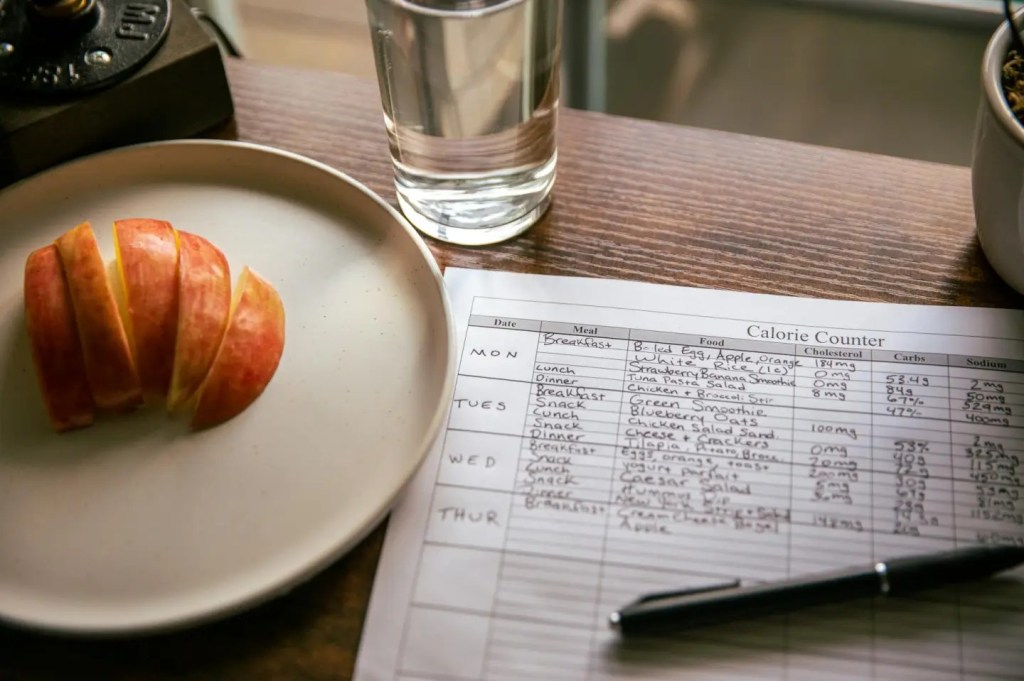
For me, meal planning and food tracking go hand in hand. Based on the calories and protein I need for the day, I enter my food choices into my tracking system, and the computer program I use provides the details I need about each food. From there I add or subtract foods until my choices meet my calorie and protein targets for each meal. Through this process, I know at any point how many calories I have consumed, how many I have left, and how much protein I still need to fit in.
Example of recording food for diet
To do all this, I turned to MyFitnessPal.com. The site provides information about each food I enter, and with it, I plan out my meals for the day. It also allows me to record my weight loss and exercise and provide reports documenting my success.
It’s free to use the site, but you can also pay for the service. There are other options, such as Cronometer, Lose It!, Lifesum, Foodvisor, Noom, See How You Eat, and MyNetDiary. They all track foods and offer similar, yet slightly different services. I recommend you spend some time on the sites to pick the one that meets your needs.
The Catch?
Measuring your food.
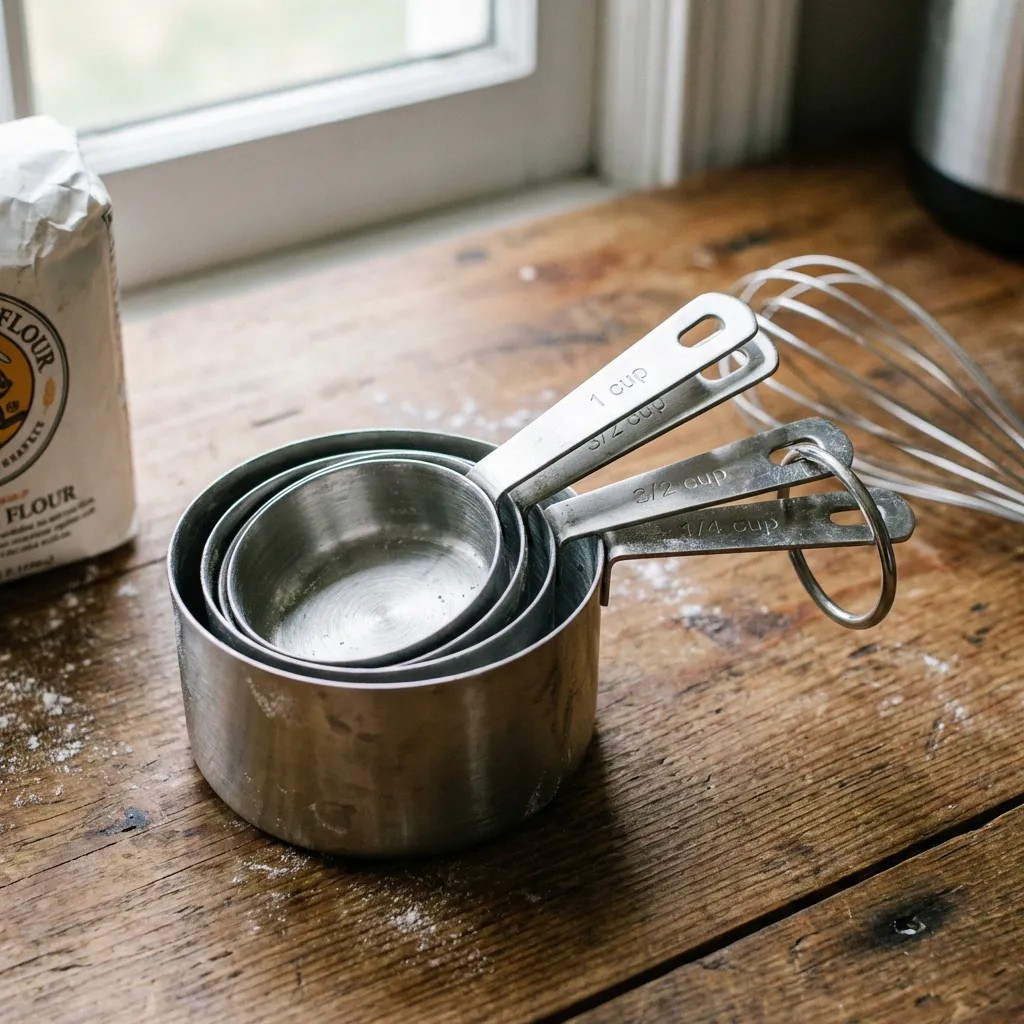
With tracking your food, you need to measure everything if you want an accurate calorie count, etc. This is one reason I use a lot of prepared food. Usually, packaging lists everything you need to know, and MyFitnessPal includes indicators next to foods that let you know that the information has been verified.
Measuring cups needed for accurate calorie counting.
But no matter what, measuring will play a role in what you’re doing. The good news is that after recording your meals for a while, you’ll learn to estimate the measurement or weight of food. It just takes practice.
The Point of All This?
If you want to know how many calories and the amount of protein you’re consuming, you need a system to track your food. And, to simplify your life, you will need the means to do that. There are a lot of online options out there, and if you want, you could also use old-fashioned pen and paper. I just recommend you find something to use; otherwise, what’s the point of planning your meals, and how else do you ensure you are reaching your goals?
Exercise
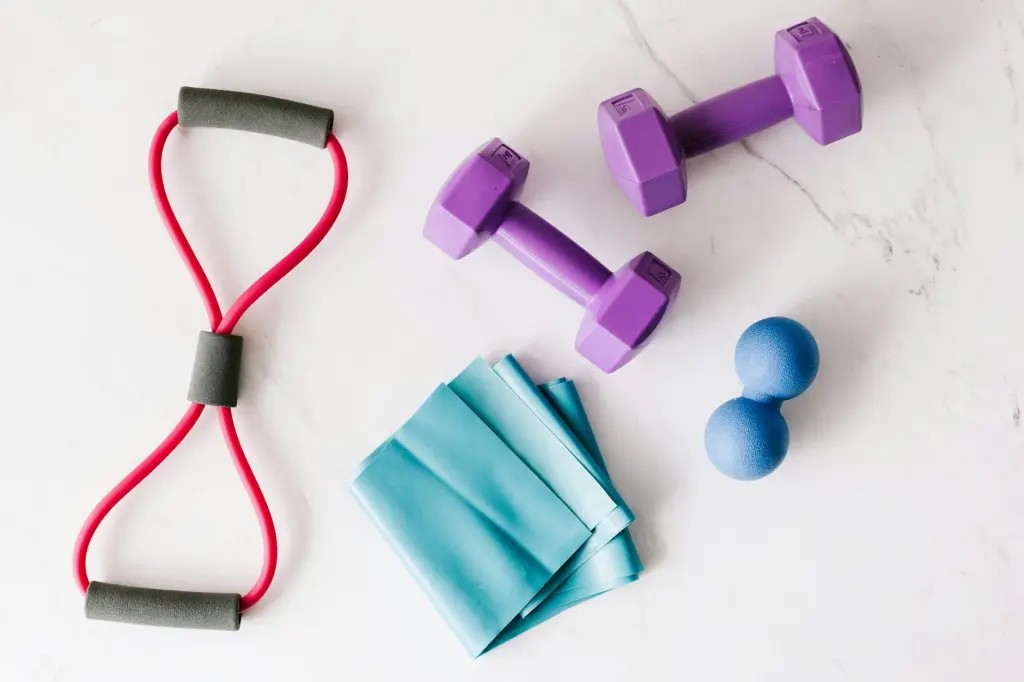
Exercise is one of those things you have to accept you need to do if you want healthy weight loss. Losing muscle mass is a genuine concern when taking a GLP-1, and exercise is a way to counter it. Weight-bearing exercise, such as weightlifting or resistance training using stretch bands, is recommended, but when you’re getting started, any movement is good. Your focus is to build muscle or at least prevent what you have from wasting away.
Exercise equipment needed to maintain muscle.
For exercise, I water walk 2 miles a day, which isn’t all that challenging, but because of my weight, I’m limited by my physical capabilities. Unfortunately, walking isn’t enough, so I’ve added wrist weights while I exercise and when I can use them throughout my day too. Two pounds on each wrist helps gently work my muscles, which is good, but I’ve found movement is becoming easier as I lose weight. I’m looking into weight training soon. I go into exercise, and its challenges here.
Medical Support
As I said before, medical support wasn’t something I thought I needed, but I could see the merit of establishing a relationship with a specialist just in case I had problems in the future. It turned out they were very helpful, and I’m glad I made that first appointment. Both the weight loss doctor and the nutritionist answered questions and made useful suggestions regarding diet and exercise, and brought to my attention the importance of increasing my protein levels.
It’s important to have a relationship with a medical professional.

In a follow-up visit, the doctor addressed some pain I was having and explained that with my rapid weight loss; I was susceptible to gallstones. They immediately arranged for an ultrasound and blood tests. By having a relationship with this doctor, I received specialized care within hours of making a phone call. I didn’t have to wait to get an in-person appointment with my primary care physician, and then wait while they figured out what was going on, etc.
There are other aspects of rapid weight loss that a doctor could have addressed in my case, had I had a relationship with them sooner. For example, shortly after beginning the medication, I experienced fatigue, muscle weakness, and excessive nausea. From speaking with a friend who was already taking a GLP-1 med and who had spoken to her weight loss doctor, I discovered these symptoms were caused by not eating enough and by limiting my protein intake too much. Had I already established a relationship with a doctor or nutritionist, it is likely that they would have warned me and could have saved me some pain and suffering.
Building Blocks
Hopefully, you can see that to lose weight—in a healthy manner—you need to put some basic building blocks in place. For me, each provides the structure and support I need while I’m making substantial changes within my life.
Put the building blocks in place for healthy weight loss.

Meal planning and food tracking are essential elements ready to be used at any moment to reinforce your weight loss decisions. Medical support reinforces those decisions, and exercise follows through to make sure your sacrifices won’t be in vain. They work together to form a cohesive unit that accompanies you throughout your day. For me, I don’t think I would have gotten as far as I have without these elements to fall back on.
 My GLP-1 Life
Leave a comment