
A Real-World Look at How They Work
What are GLP-1 meds? What do they do and how?
First off, GLP-1 is an abbreviation for glucagon-like peptide-1, which is a receptor agonist.
Okay, so, what’s a receptor agonist?
Let’s ask Google!
An agonist describes a drug mechanism. It is a molecule that activates a receptor inside a cell. The most common agonist drugs that you would have heard of are opioids for pain, nicotine products, and newer diabetes/weight loss drugs (GLP-1s).
And a glucagon-like peptide-is?
According to Google, a GLP-1 is a hormone produced in the small intestine, colon, and brain when you eat something. It stimulates insulin production, suppresses glucagon release, slows stomach emptying, and reduces appetite by signaling fullness to the brain.
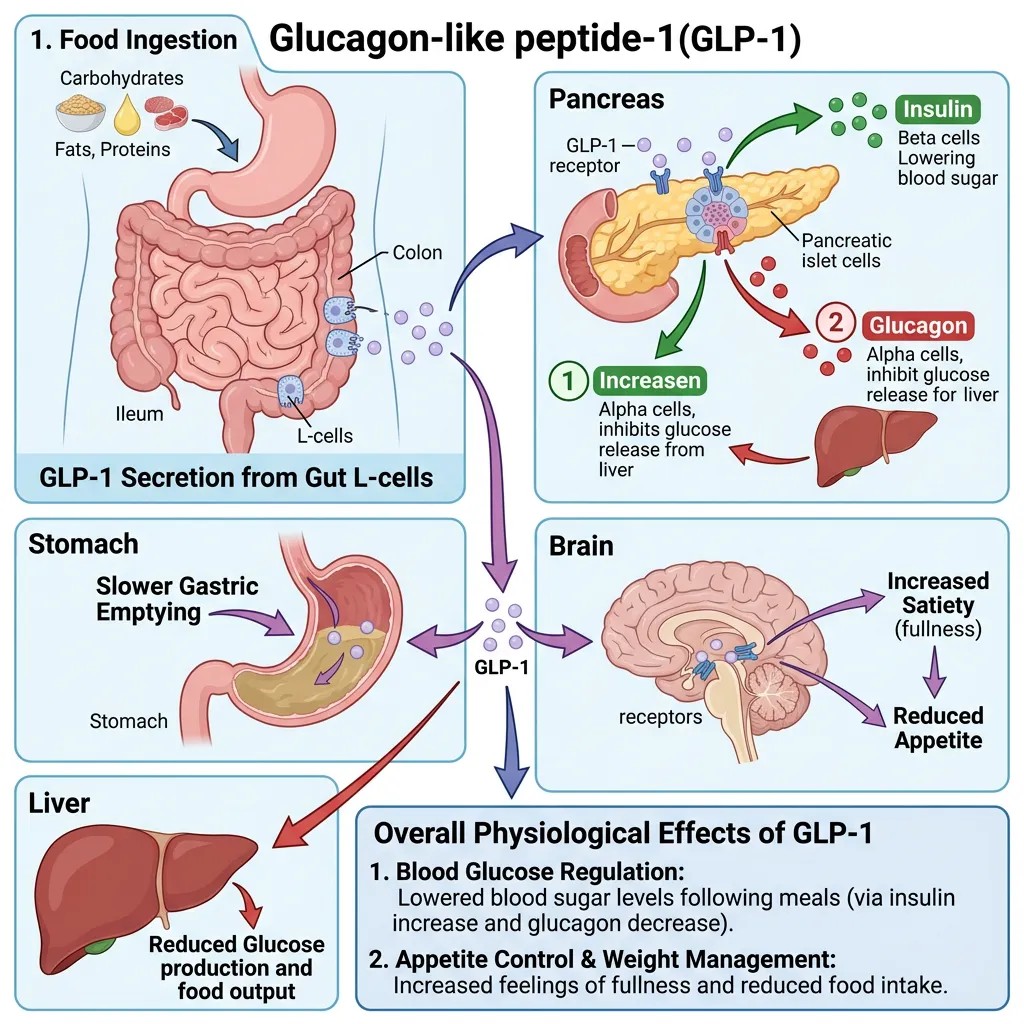
Ok, so how is a natural GLP-1 hormone different from the GLP-1 medication?
The GLP-1 medication is a synthetic, lab-created version of the natural hormone. This version is “designed to break down at a much slower rate in the body, which allows it to work longer, improve insulin production, lower appetite, and increase satiety.”
TL;DR The GLP-1 medications mimic the GLP-1 hormone but last longer in the body. They influence appetite and improve blood sugar regulation. It slows food moving through your digestive tract and lowers your appetite, reduces cravings, and signals your brain that you feel full.
Dual Agonists
There is a newer GLP-1 medication on the market that uses dual agonists. This drug is called dual because it combines two hormones that work to suppress appetite and improve metabolism. They are GLP-1 and GIP and signify an advancement in treating type 2 diabetes and obesity. Together, they offer greater glycemic control and weight loss compared to single GLP-1 agonists. Currently dual agonists are considered the most effective GLP-1 medication on the market. (Moiz, 2025)
As discussed above, GLP-1 is a hormone that influences appetite and improves blood sugar regulation. It slows food moving through your digestive tract, which signals the brain that you are full.
So what is GIP?
It stands for glucose-dependent insulinotropic polypeptide.
And a glucose-dependent insulinotropic polypeptide?
Let’s ask Google!
GIP is a 42-amino acid hormone released by intestinal K-cells upon food ingestion, primarily triggering insulin secretion to manage blood sugar. As a key incretin hormone, it helps regulate glucose metabolism, stimulates fat storage.
TL;DR GIP is a hormone that is a key regulator of metabolism and is secreted by the small intestine. After meals, it stimulates insulin production in the pancreas, which manages blood sugar while also regulating fat metabolism, storage, and satiety.
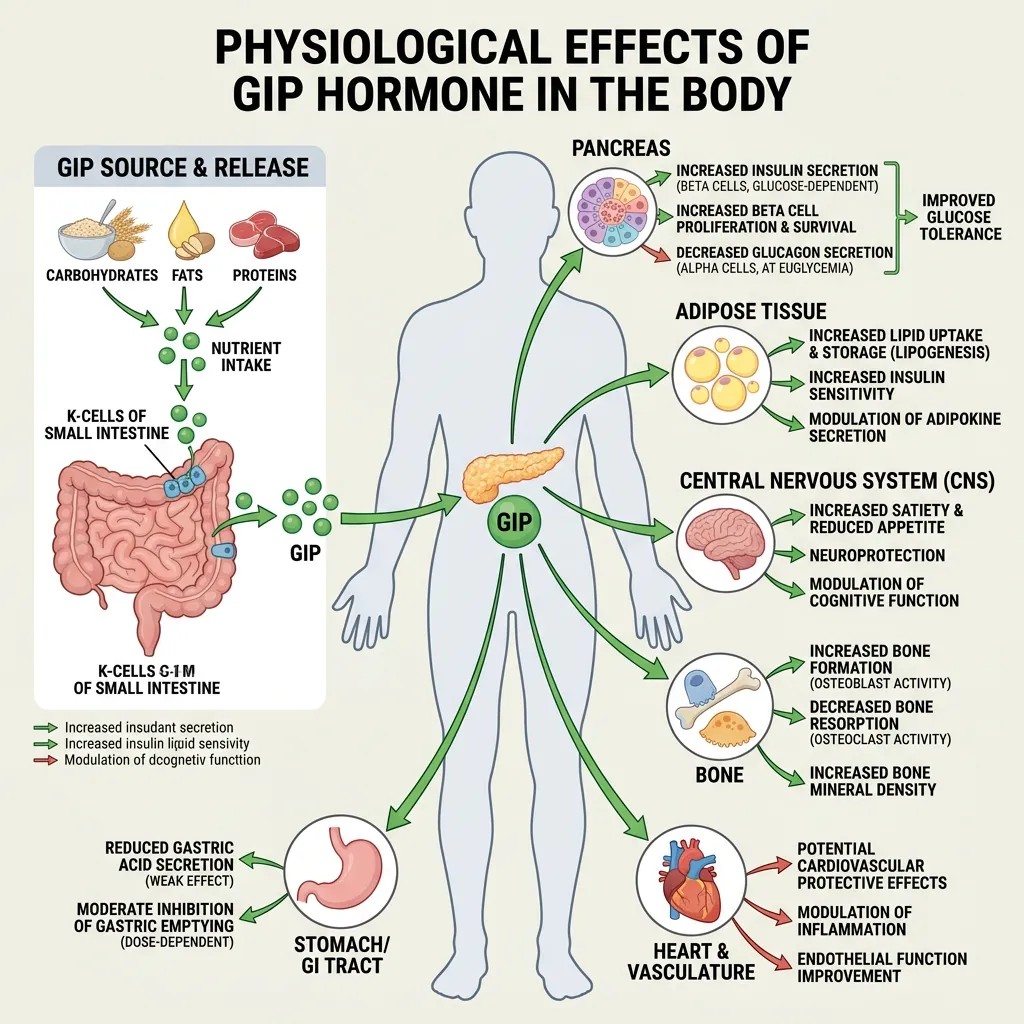
Why did scientists pair the GLP-1 hormone with the GIP hormone?
Combined, GIP enhances GLP-1’s effects. Both stimulate insulin secretion, slow gastric emptying, reduce appetite, and promote a feeling of fullness. Combined, they also improve your body’s ability to burn fat. (Seino, 2010) (Zaffina, 2023).
Benefits of Dual Agonists
Enhanced Weight Loss: Dual GIP/GLP-1 activation promotes superior weight loss by modulating central appetite control and increasing energy expenditure.
Improved Glycemic Control: These therapies offer better HbA1c reduction compared to traditional single-acting GLP-1 agonists.
Cardiovascular and Metabolic Benefits: Beyond weight loss, they show improvements in liver health, reduction in fat accumulation, and potential anti-inflammatory effects. (Wen, 2025)
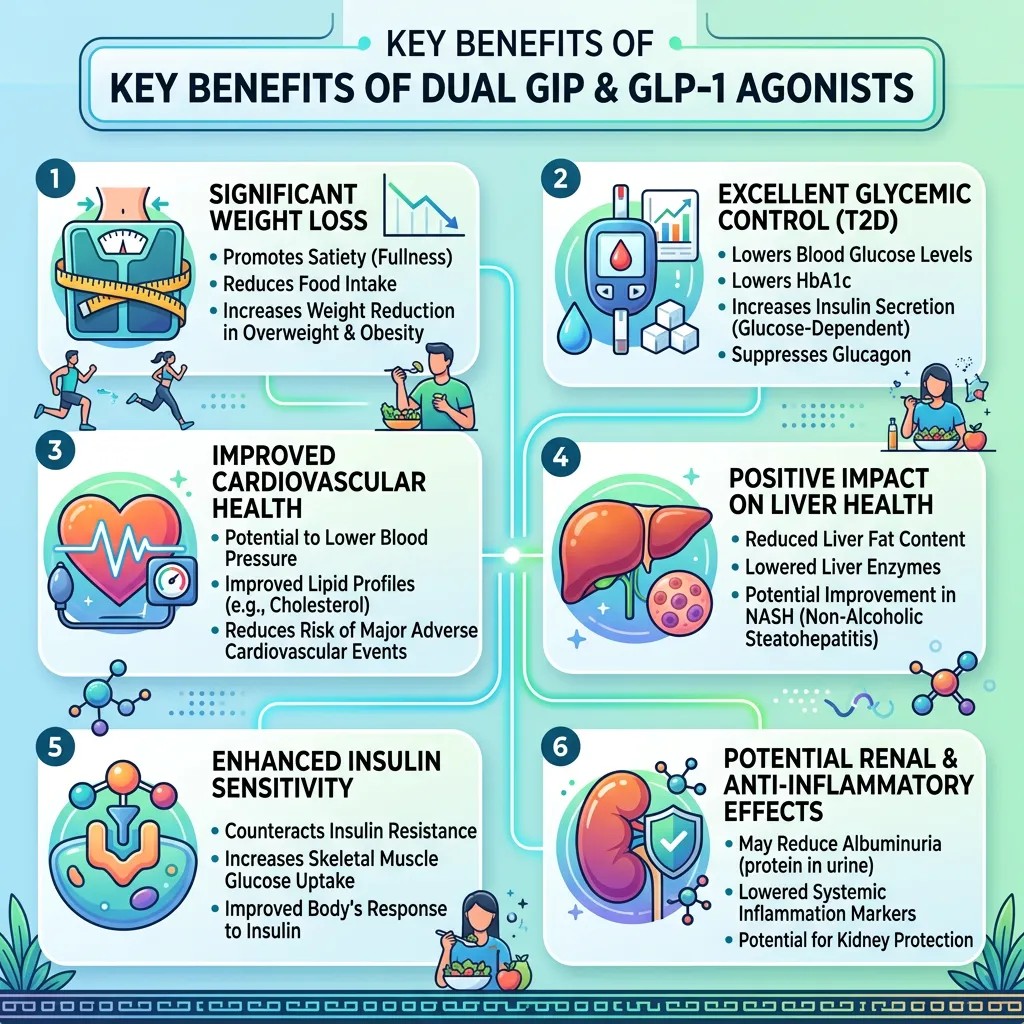
Now that we have discussed the types of GLP-1 that currently used for treatment, for the rest of this discussion, dual agonists GLP-1/GIP will be included when referencing GLP-1 medications.
What are GLP-1 medications used for?
Initially GLP-1 medications treated type 2 diabetes, as they were found to affect A1C, fasting blood sugar, and blood sugar levels after eating. Once it was recognized that GLP-1s were also useful for weight loss, there were additional studies which led to a redefinition of prescription requirements and an increase in dosages used. No longer do you need diabetes to qualify for the medication. Now doctors prescribe the medication for weight loss to those who are obese, with a body mass index (BMI) of over 30, or those who are overweight, who have a body mass index of 27 or greater.
To justify the use of GLP-1 medications, a high BMI must often (but not always) accompany a weight-related condition. Doctors consider the risk of serious health conditions such as type 2 diabetes, high blood pressure, cardiovascular disease, and stroke. Other significant conditions include sleep apnea, fatty liver disease, osteoarthritis, and an increased risk for 13 types of cancer. (CDC, 2025)
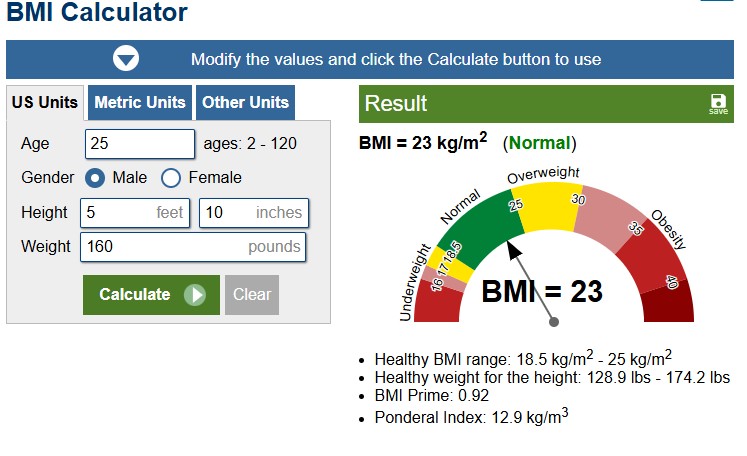
Want to know what your BMI is? Check out this BMI calculator.
BMI calculator illustration.
Ok, so that covers the GLP-1 science side of things. The question then is how do you get your hands on a GLP-1 med?
Next up is a discussion about the GLP-1 medications. We’ll cover semaglutide (used in Ozempic, Wegovy, Rybelsus), liraglutide (used in Victoza, Saxenda) and obforglipron (used in Foundayo.) . The primary active ingredient of the GLP-1/GIP receptor agonist is tirzepatide (used in Mounjaro, Zepbound).
 My GLP-1 Life
Leave a comment