
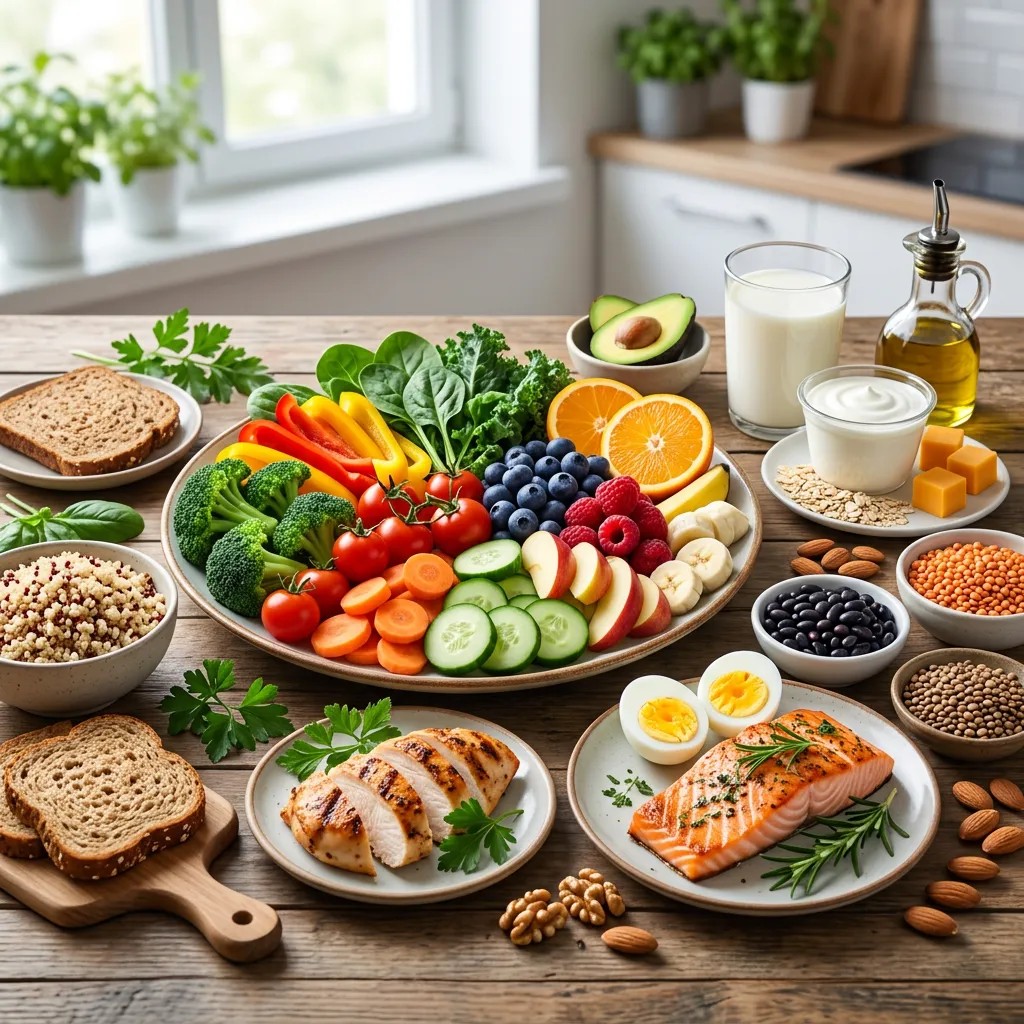
Nutrition is perhaps the most important aspect of GLP-1 weight loss. It is far more complicated because of it. In theory, a person should be able to eat smaller meals and meet their daily nutritional requirements. That’s what we’re told while taking the medication. Distribute your food among 3 meals and 2 or 3 snacks a day, and you should be fine.
The Problem?
Appetite
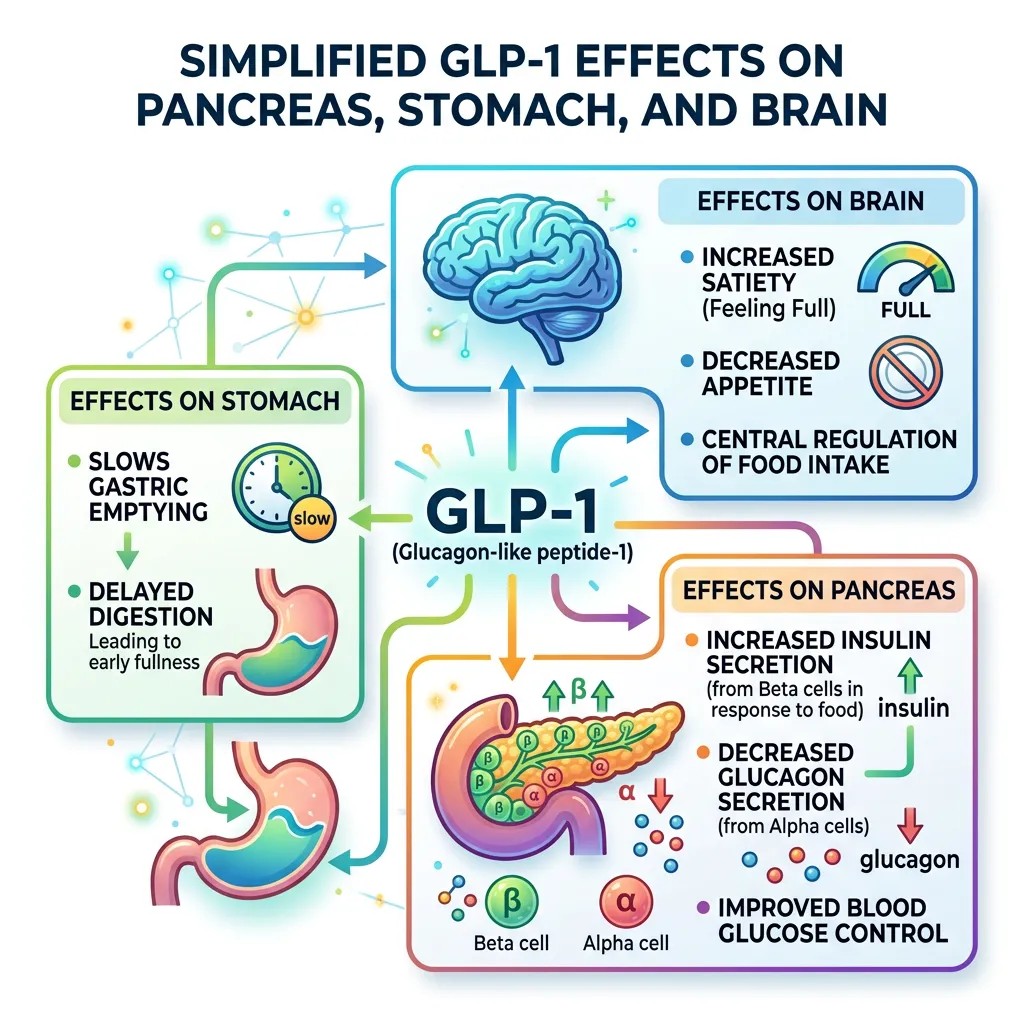
The GLP-1 medication slows your digestive tract, and that sends a message to your brain that you are full and no longer need to eat. In addition, it improves blood glucose control, which minimizes spikes and crashes, and that can lower appetite and reduce cravings. Combined, these actions lessen the appetite and increase satiety. Which, in the long run, can cause you to feel sick if you continue eating.
Other Consequences of a Low Appetite
- Fiber: Not eating enough can lead to not getting enough fiber, which is essential for a healthy digestive system. It is also best suited for addressing some GLP-1 side effects.
- Dehydration: A poor appetite often goes hand in hand with dehydration. If you’re unable to consume enough food to meet your dietary requirements, you may not drink enough water. Which can cause GLP-1 side effects. Water is also one of the best ways to deal with side effects, and dehydration will aggravate them further.
Protein Consumption
Another reason it’s difficult to meet your dietary requirements while using GLP-1 medication is the focus on eating protein. In order to stave off muscle loss, it becomes a priority, which means other essential foods can fall by the wayside.
Outcome?
There are times I can barely finish a serving of chicken (3 oz.), much less eat the broccoli and brown rice that rounded out the meal. With my focus on protein and the result of my poor appetite, I ended up skipping fruits, vegetables, and grains to meet my protein requirements.
Dieting
A poor appetite and protein consumption aren’t alone in limiting what you eat. Dieting plays a part, too. The goal, after all, is to lose weight. One way I’ve kept my calorie count down but met my protein requirements is by eating high-protein, low-calorie foods. For instance, I drink a clear whey protein drink that provides 20 grams of protein but only 100 calories. Low as that is, those calories displace food I’m supposed to eat because I’m trying to increase my protein count while also maintaining a low-calorie diet.
Possible Solution
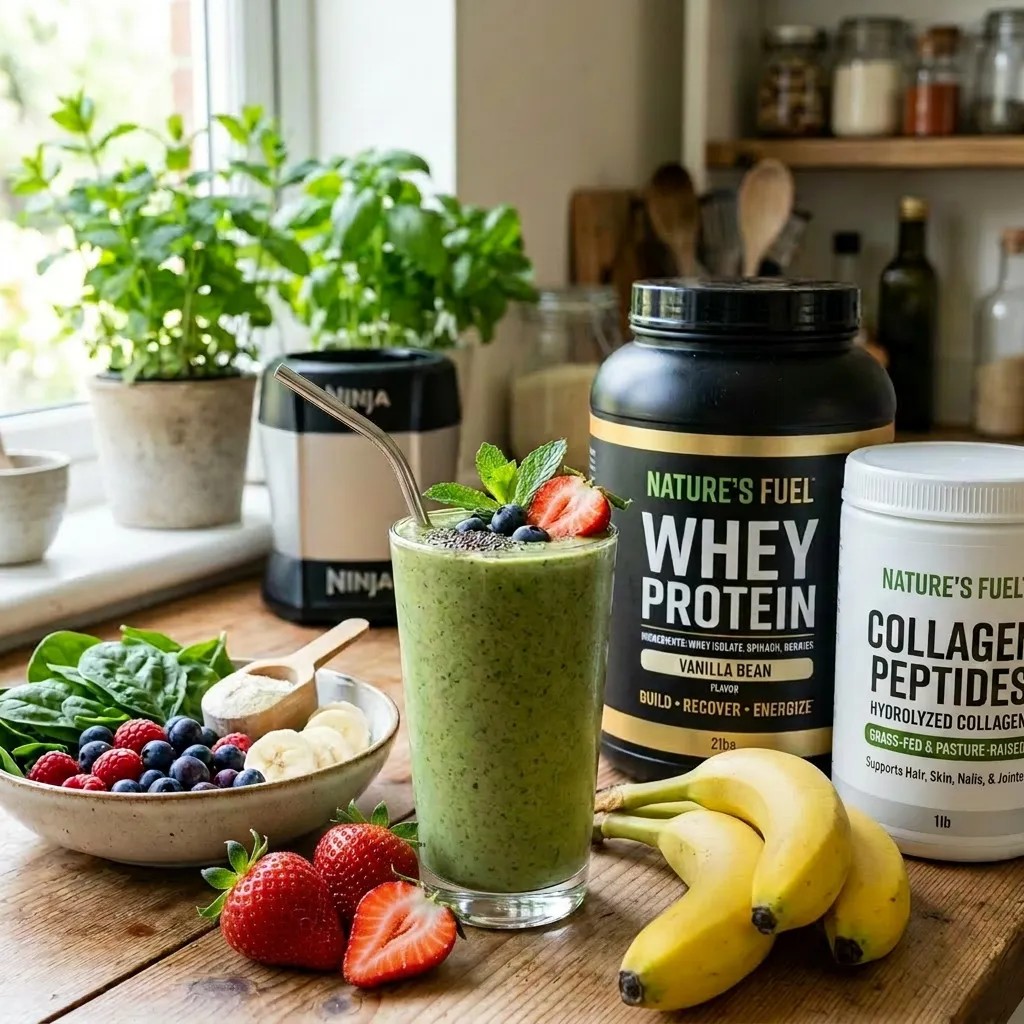
One way to get around my appetite and add fruits and vegetables to my diet is to drink protein shakes. I add what I think I can eat and then spend an hour drinking my lunch. I can usually fit in 2 servings of fruit and 1 vegetable per meal, which addresses my nutrient and fiber needs. In addition, the protein powder and collagen I add to the shake help me meet my increased protein requirements.
How many servings of fruits, vegetables, grains, protein, and fiber are you supposed eat a day?
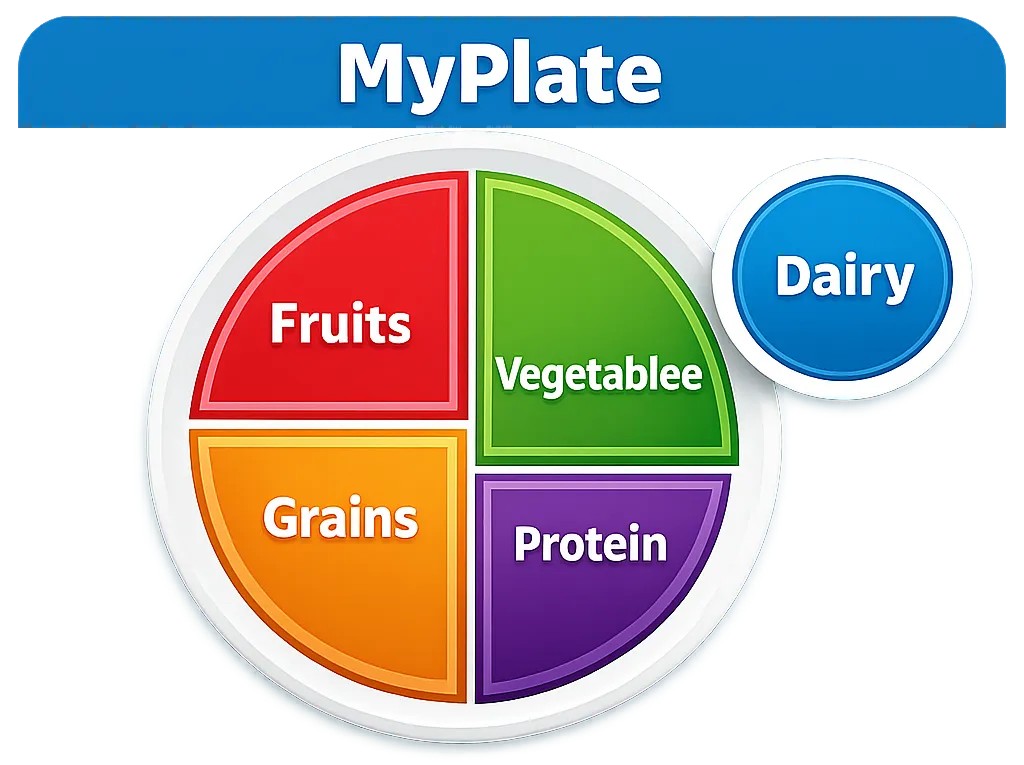
According to the food recommendation guide MyPlate, you should divide the food on your plate:
- 50% fruit and vegetables,
- 25% grains
- 25% protein
- A side of diary
Fruits and Vegetables
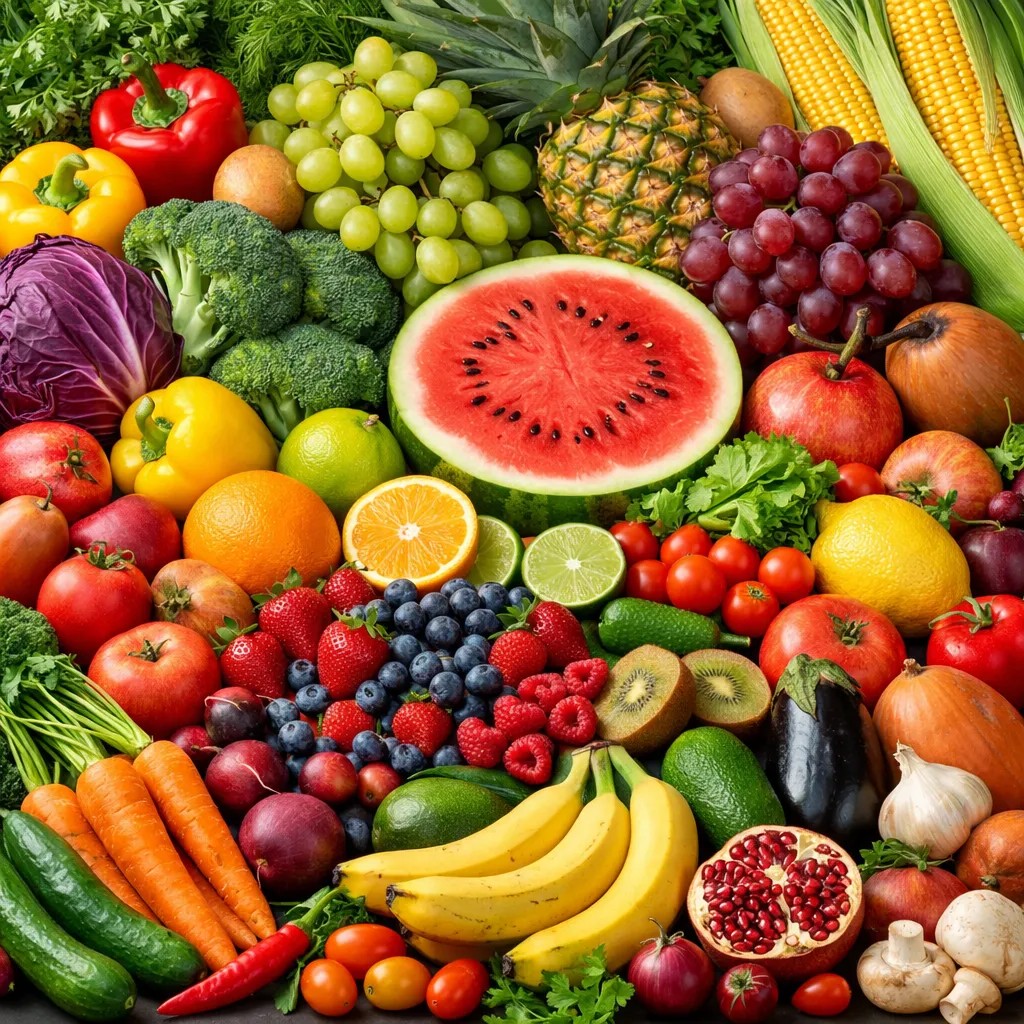
2 servings of fruit per day
- 1 cup of fruit
- ½ cup of dried fruit
- 1 cup of 100% fruit juice
3 servings of vegetables per day
- 1 cup of raw vegetables
- 1 cup of cooked vegetables
- 1 cup of vegetable juice
- 2 cups of raw leafy salad greens
This combination offers the best balance for longevity and health, reducing the risks of cardiovascular disease, cancer, and respiratory diseases. This mix also provides optimal fiber, vitamins, and antioxidants.
Dairy
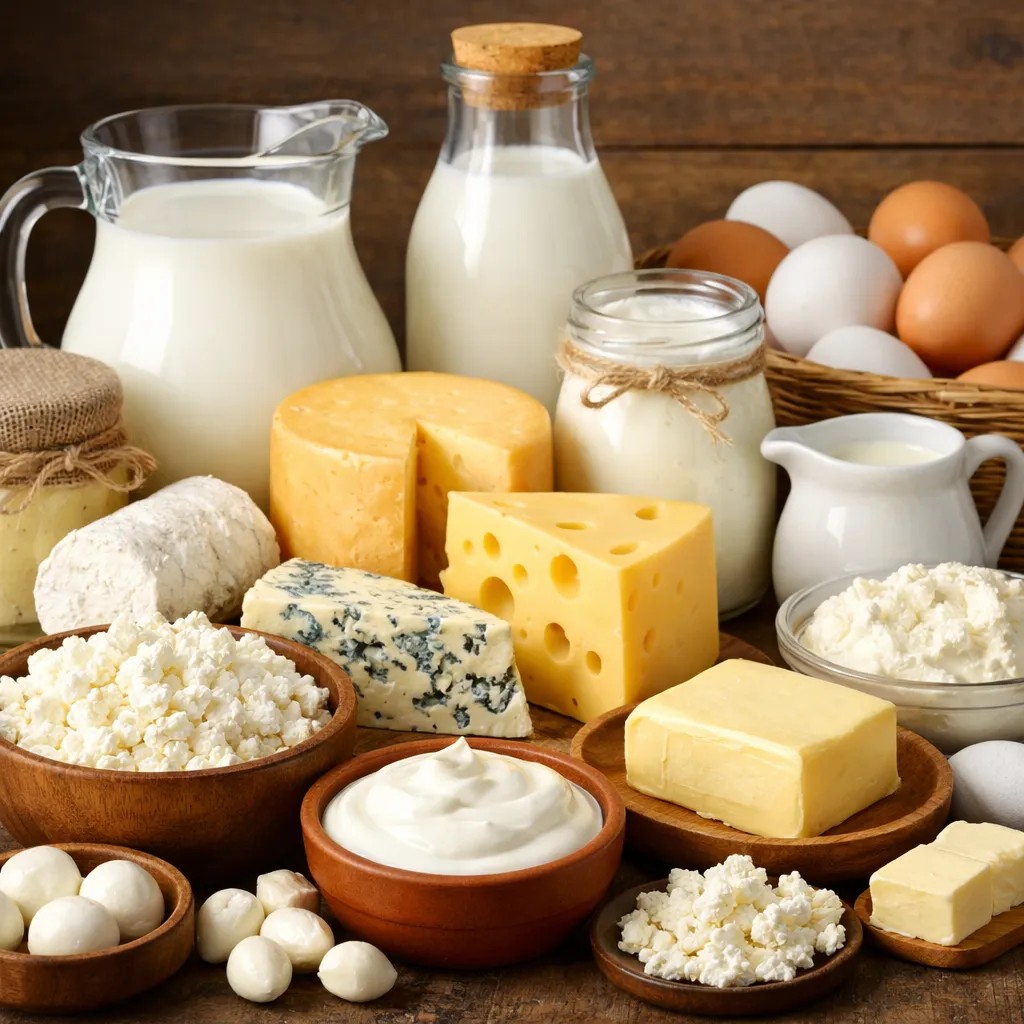
3 servings or “cup-equivalents” of dairy per day.
What is a “cup equivalent?”
- 1 cup of milk
- 1 cup calcium-fortified soy milk
- 1.5 oz of hard cheese
- 2 oz of processed cheese
- 1 cup of yogurt
The focus should be on low fat or fat-free dairy foods, which reduces the consumption of saturated fats and calories, supporting heart health and weight management. Combined, these foods meet calcium, potassium, and vitamin D needs.
Grains
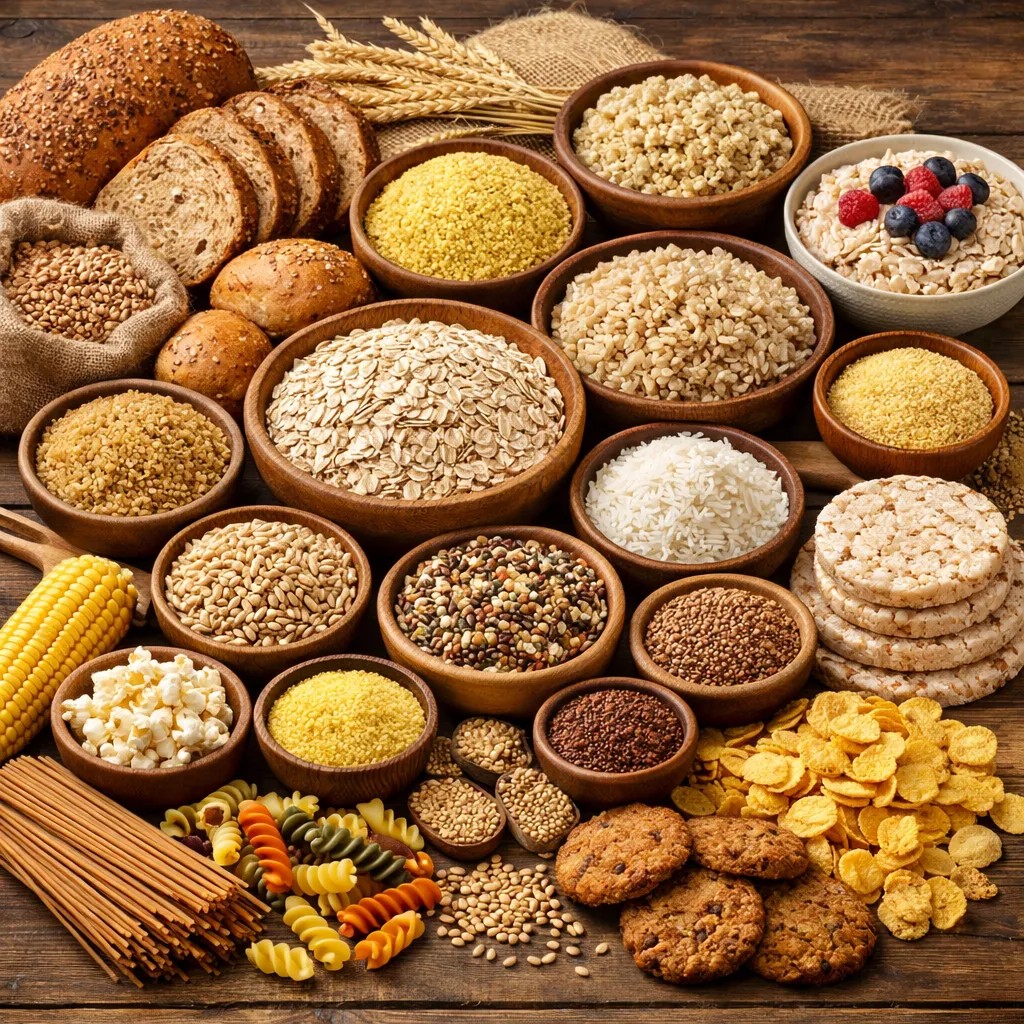
6 to 8 ounces of grains per day, of which 2-4 should be whole grains.
What counts as one ounce?
- 1 slice of bread
- ½ bun
- 1 cup cereal
- 1 small tortilla
- ½ cup cooked rice, pasta, or oatmeal
These foods provide fiber, vitamins, and minerals that improve digestion, aid in weight management, and lower cholesterol. They also reduce the risk of chronic diseases like heart disease, type 2 diabetes, and certain cancers.
Protein
The recommendation for how much protein you need is a bit more complicated than for the other food groups. Most adults should consume between 5 and 6½ ounce equivalents of protein based on a 2,000 calorie diet, although this varies by age, sex, and activity level. Foods that meet protein requirements include lean red meat, poultry, fish, eggs, beans, nuts, seeds, peanut butter, cottage cheese, tofu, and yogurt.
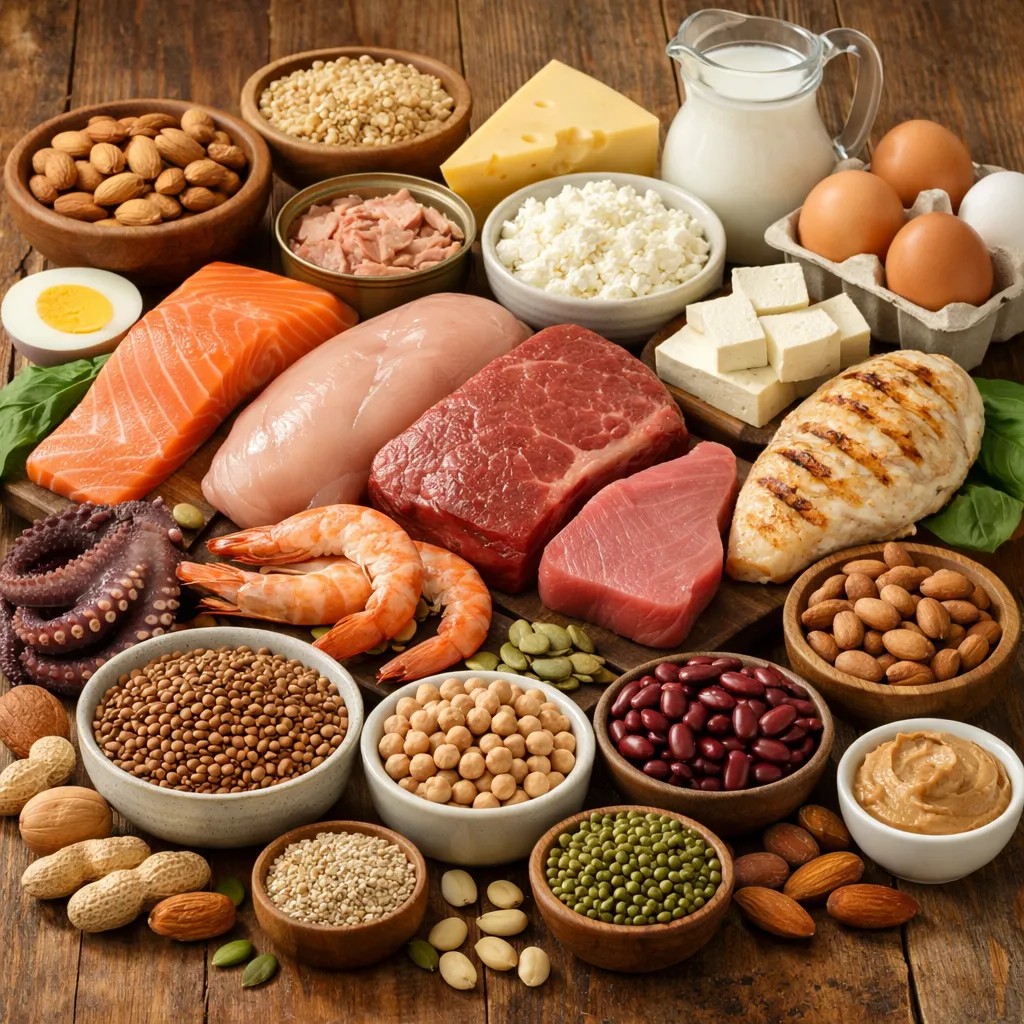
What counts as one ounce?
- 1 ounce of cooked lean meat, poultry, or fish
- 1 egg
- 1 tablespoon of peanut butter
- ¼ cup cooked beans, lentils, or tofu
- ½ ounce of nuts or seeds
These foods are essential for building, repairing, and maintaining body tissues like muscles, skin, and bones. They drive metabolic functions by creating enzymes and hormones, boost immunity by forming antibodies, support healthy aging, and increase satiety, helping to manage appetite and weight.
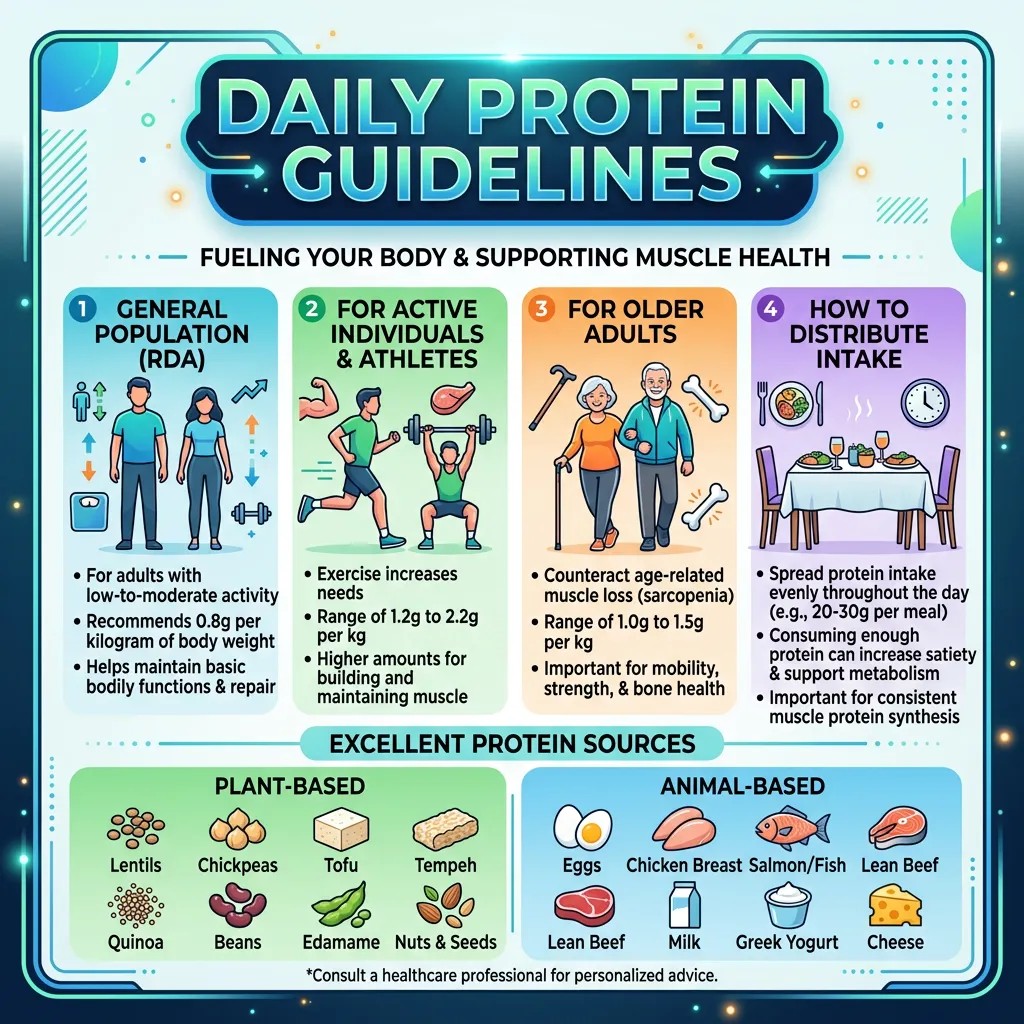
The following recommendations supplement the above breakdown. Individuals should consider their age, sex and activity level when fulfilling their protein needs.
Daily Protein Guidelines
- Sedentary Lifestyle: 0.36 grams per pound.
- Active Lifestyle/Light Exercise: 0.5-0.7 grams per pound.
- Strength Training/Muscle Building: 0.7-1.0 grams per pound.
- Older Adults (Over 50): 0.5-0.6 grams per pound to prevent muscle loss.
- Dieters: 0.54 – 0.91 grams per pound to prevent muscle loss.
Examples by Body Weight
- 120 lbs: 43g (Sedentary) 84g (Active).
- 150 lbs: 54g (Sedentary) 105g (Active).
- 200 lbs: 72g (Sedentary) 140g (Active).
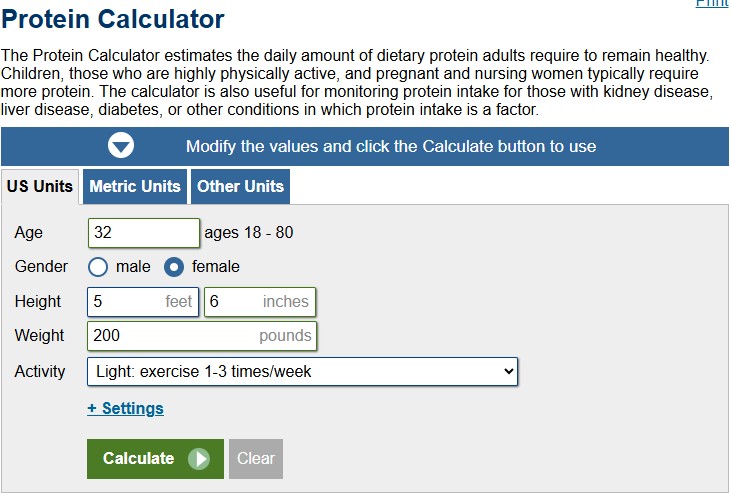
If you don’t want to do the math to discover how much protein you need daily, here is a protein calculator that will do it for you.
Unfortunately, there is significant disagreement among the three organizations used by the protein calculator to determine an individual’s protein needs. The American Dietetic Association (ADA), the Centers for Disease Control and Prevention (CDC) and the World Health Organization (WHO) all provide answers, but they leave much to interpretation. For instance, I was told I need anywhere from 75 to 261 grams of protein a day. Which is quite a spread. They also told me 10-35% of my daily caloric intake should be protein. Again, not very helpful.
How did I figure out how much protein I need a day? I consulted a nutritionist and a weight-loss doctor. Unfortunately, they gave me different answers too. However, they were in the same ballpark, so I aim for somewhere in between.
If you look through the literature online for GLP-1 weight loss, it states that those taking the medication should eat between 80 and 120 grams of protein per day. That leaves a lot of room for uncertainty. Therefore, seeing a medical professional is advised. They can take your circumstances into consideration and provide a more reliable answer.
Fiber
In addition to the 5 food groups, it is recommended you also focus on fiber consumption. Adults should strive to consume 25–38 grams of fiber per day, with recommendations varying slightly by age and gender. Women should aim for 21–28 grams, while men should aim for 30–38 grams daily. You can break this down further. Look for foods with at least 3 to 5 grams of fiber per serving. Or for every 1,000 calories eaten, consume 14 grams of fiber.
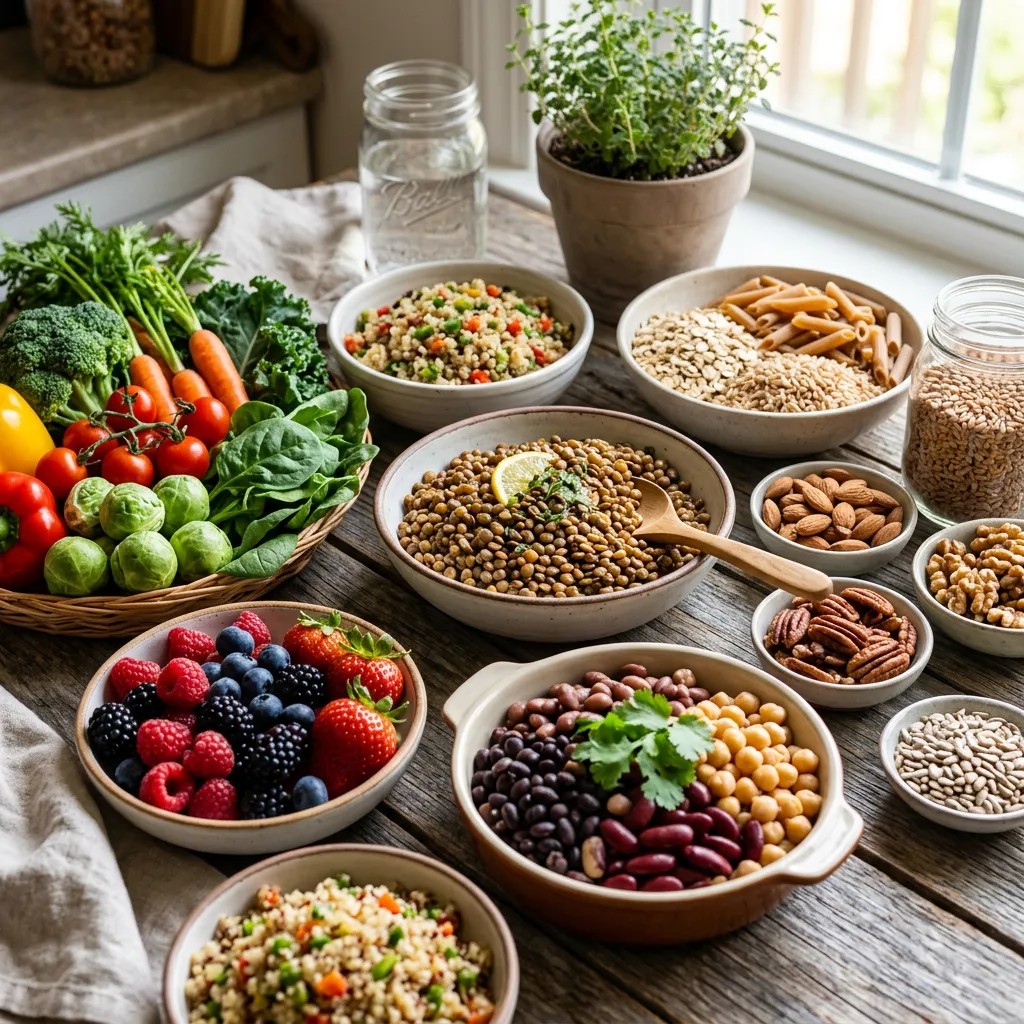
Best Sources of Fiber: Whole Foods
- Lentils
- Beans
- Berries
- Nuts
- Whole grains
- Vegetables
Fiber is also important for those taking GLP-1 medication, as it helps manage side effects like nausea, vomiting, diarrhea, and constipation. It also complements the weight loss aspects of the medication by being a natural appetite suppressant. In addition, it enhances satiety, stabilizes blood sugar, and promotes a healthy gut microbiome.
Hydration
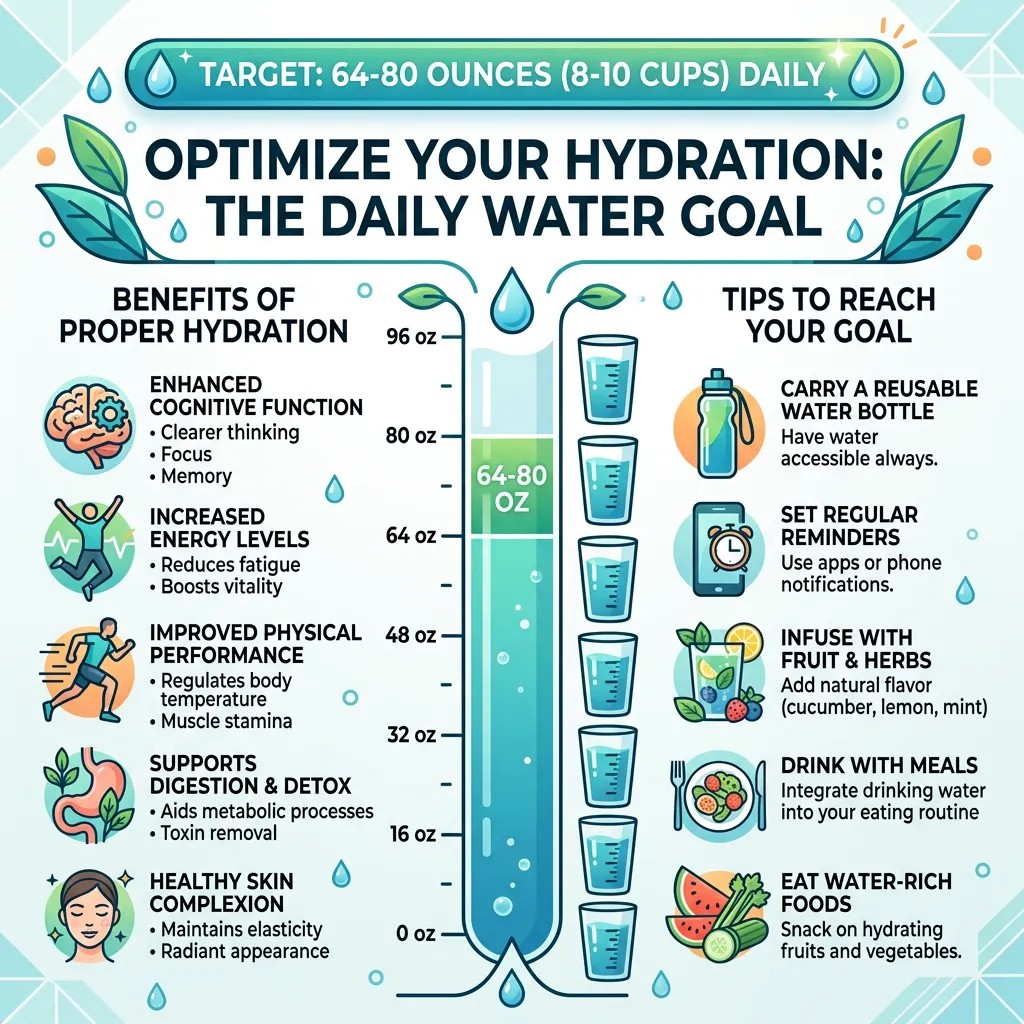
Water is essential for a balanced diet. You need than you would think.
- 64 to 80 ounces of water (8-10 glasses) daily.
Increased temperatures, activity, or poor health necessitate adjusting this amount and increasing fluid intake.
Fluids are particularly important when using GLP-1 medication, as they are best suited for addressing side effects like dehydration, nausea, constipation, diarrhea, headaches, and fatigue.
Conclusion
Knowing how much you should eat from any food group and what else to include in your diet helps, but as discussed, GLP-1 medication can make fulfilling your daily nutritional requirements difficult.
The Solution?
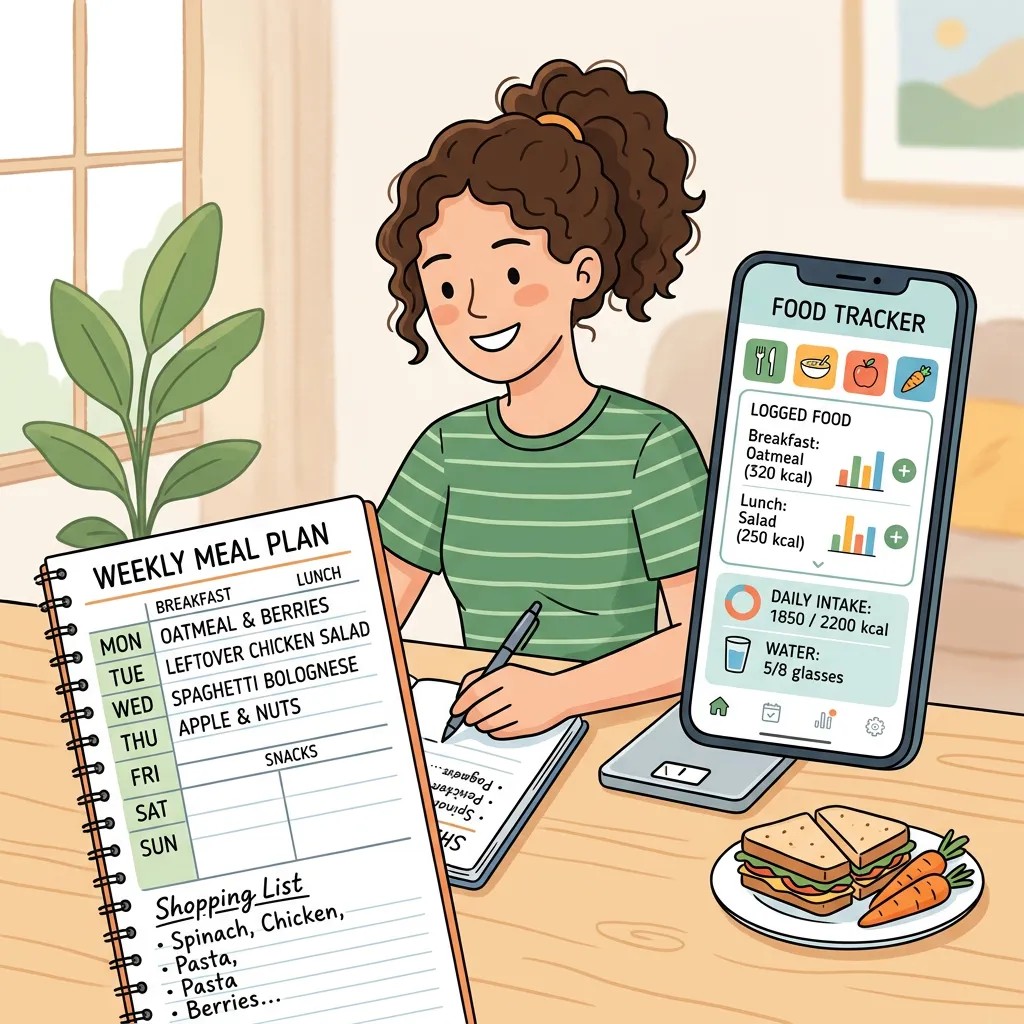
There is no easy answer to meeting your daily nutritional needs while taking GLP-1 meds. I suggest creating a meal plan so you know what you’re supposed to eat and are aware of the food you are leaving out. To follow that up, record everything you eat. With it, you can determine which nutrients you are lacking. From this, you can create a plan to deal with your dietary shortfalls.
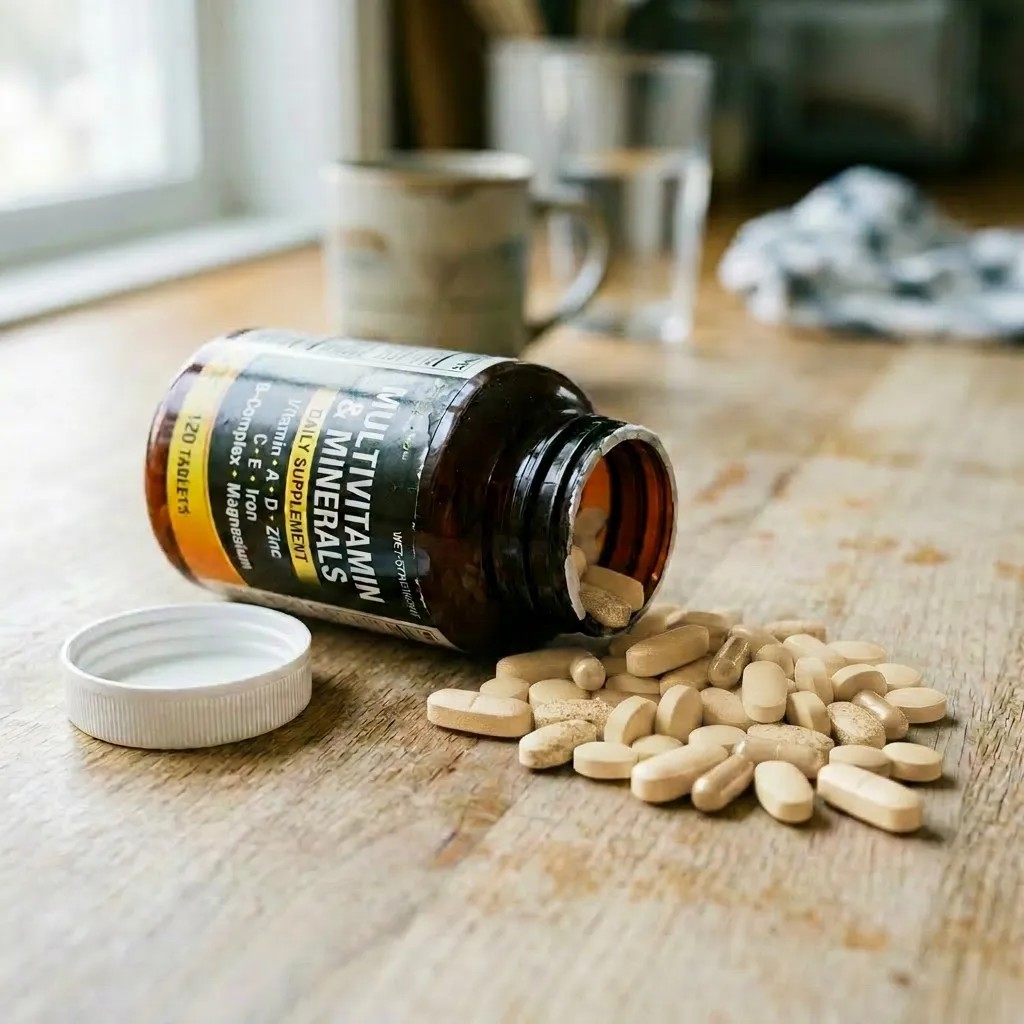
One way to address nutritional deficits is to take a multivitamin or other supplements like magnesium, omega-3 fatty acids, and probiotics, as each can fulfill a need that food usually does. However, most doctors and nutritionists suggest consuming appropriate foods to meet those needs.
Full Circle
Which brings us back to where we started. Because of GLP-1 medication, you have a lower appetite, which hinders your ability to eat, leading to nutritional deficits. I recommend seeing a weight loss specialist or a nutritionist, as they are best equipped to address the problem. I’ve found mine to be very helpful. They came up with solutions to problems and reassured me I’m meeting my nutritional needs. They’ve also pointed out where I’ve lacked certain nutrients and advised me on what I should do.
There is no single answer on how to deal with nutritional deficiencies due to GLP-1 medications. The best you can do is educate yourself and take steps to head off problems before they can affect you long term.
In the next discussion, I address the outcomes of poor nutrition and how to avoid them.
 My GLP-1 Life
Leave a comment